

Losing most or all of your teeth can affect chewing, speech, and long-term oral health. All-On-X dental implants are a modern treatment option designed to provide a stable, fixed alternative to removable dentures for suitable patients.
This article explains how All-On-X works, who it may be suitable for, potential risks, and what to expect during treatment.

What Are All-On-X Dental Implants?
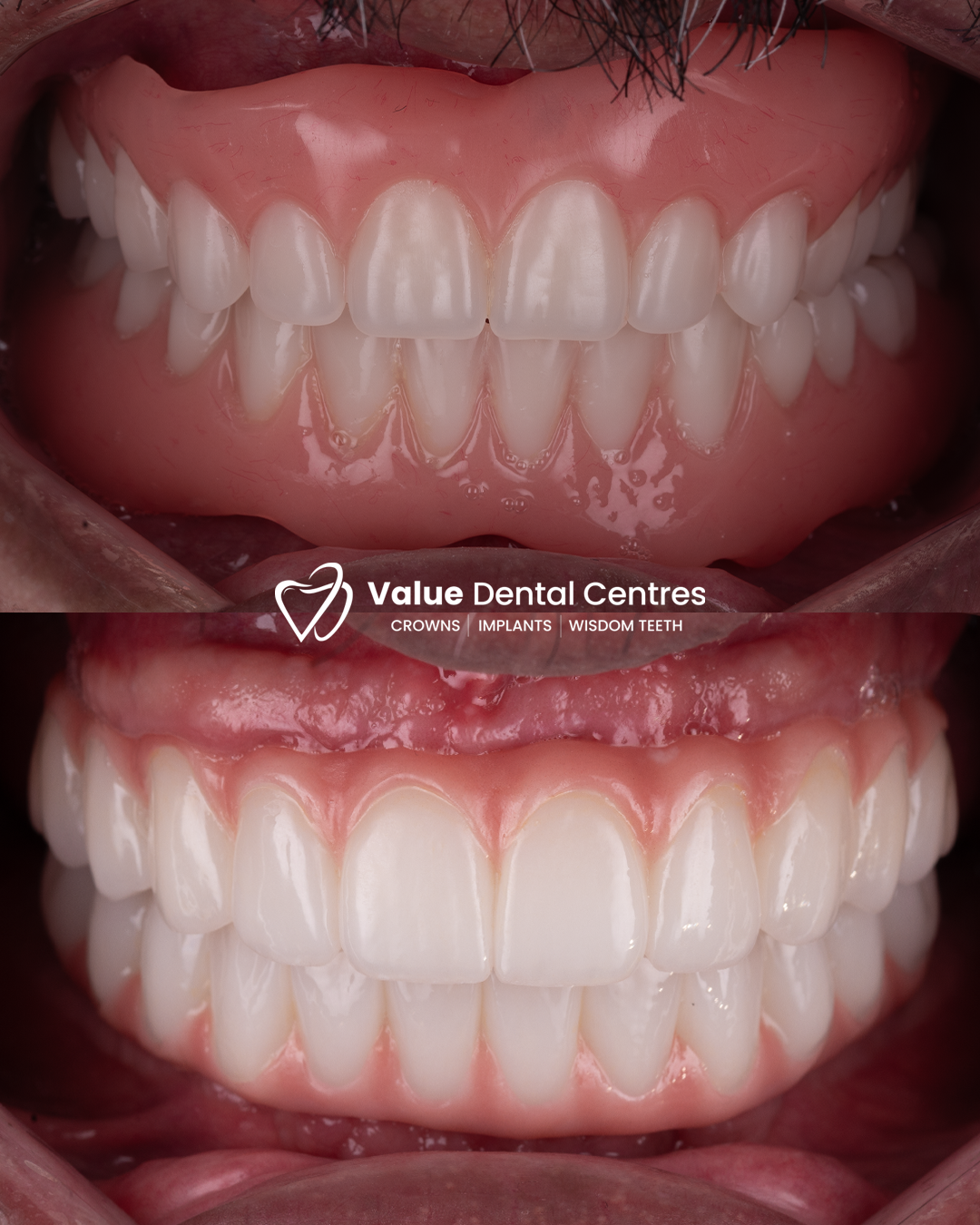
All-On-X is a dental implant technique used to replace a full arch of teeth, typically using four or six implants to support a bridge. The bridge is fixed in place and is not designed to be removed by the patient.
Some providers may use acrylic bridges, which is the same material used in conventional dentures. At Value Dental Centres, the final bridge is fabricated from zirconia, a material commonly used in dentistry due to its strength, durability, and suitability for long-term restorations.
How Missing Teeth Can Affect Jawbone and Facial Structure
Tooth loss can lead to bone loss in the jaw over time. As bone volume reduces, facial structure may be affected:
- Vertical dimension of the face can decrease
- Soft tissues may droop
- The chin may appear closer to the nose
Dental implants provide stimulation to the jawbone which can help reduce further bone loss in those areas.

Dentures and Their Limitations
Traditional full dentures remain a treatment option in some cases. However, patients may experience limitations such as:
- Reduced stability during eating and speaking
- Soreness or irritation of the gums
- Reduced chewing efficiency
- The need to remove dentures frequently
- Progressive jawbone shrinkage over time
Who May Be Suitable for All-On-X?
All-On-X may be considered for patients who:
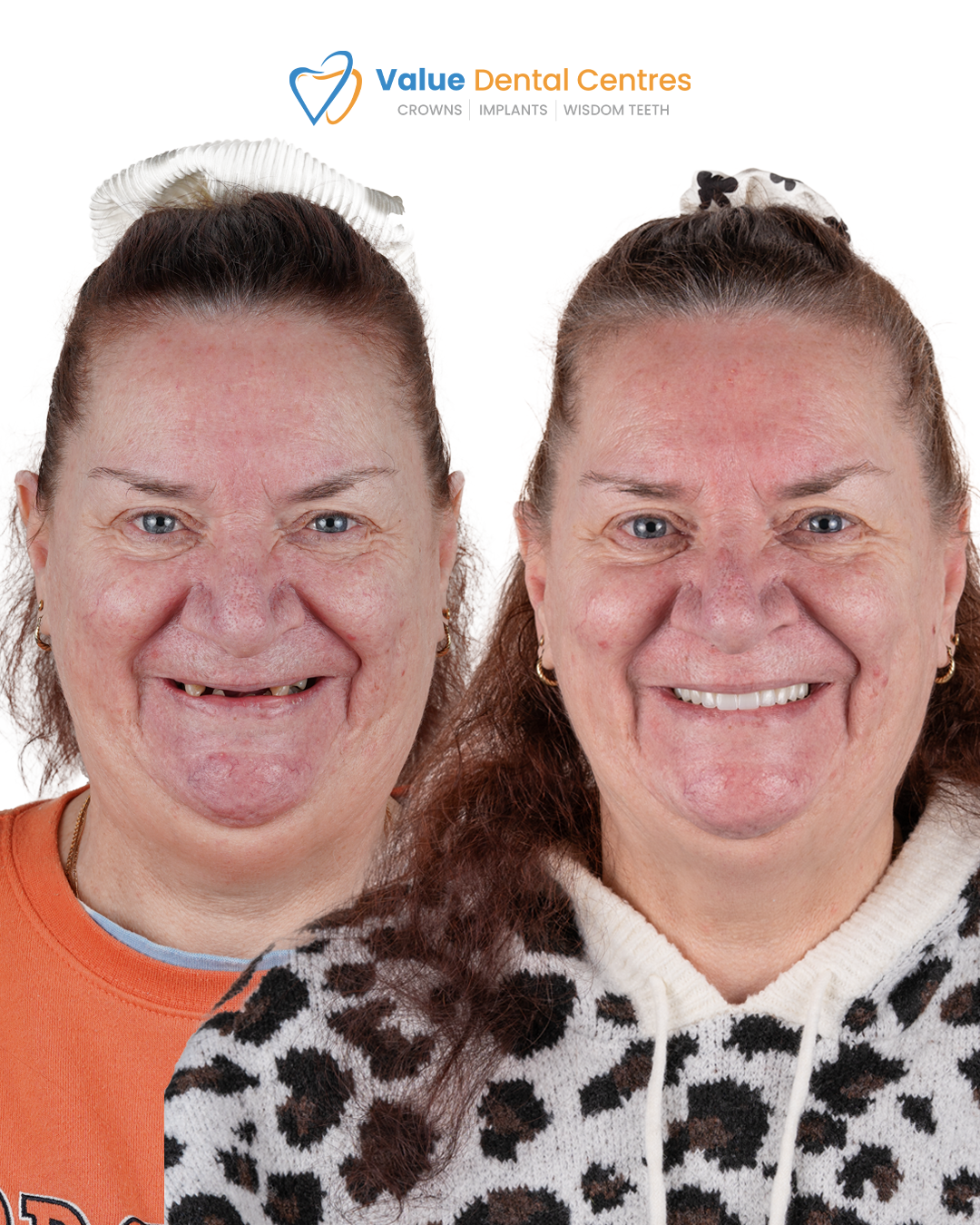
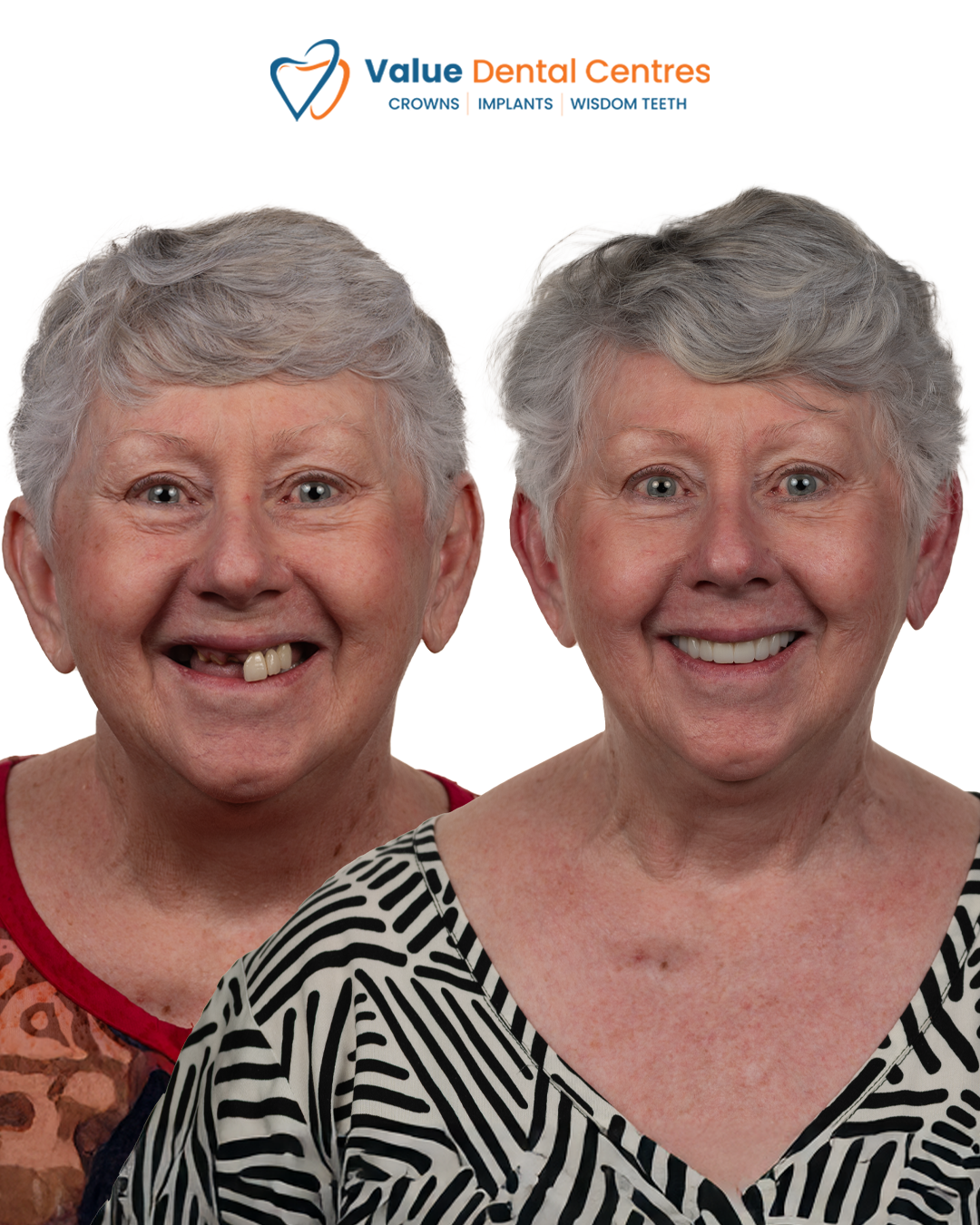
- Are missing most or all teeth
- Have teeth that are severely compromised or non-restorable
- Experience ongoing difficulty with removable dentures
It is not always the first treatment option. Where teeth can be saved, conservative options are prioritised. Suitability can only be determined after a comprehensive dental assessment.
Missing Teeth
Uncomfortable Dentures
Loose, Broken, or Failing Teeth
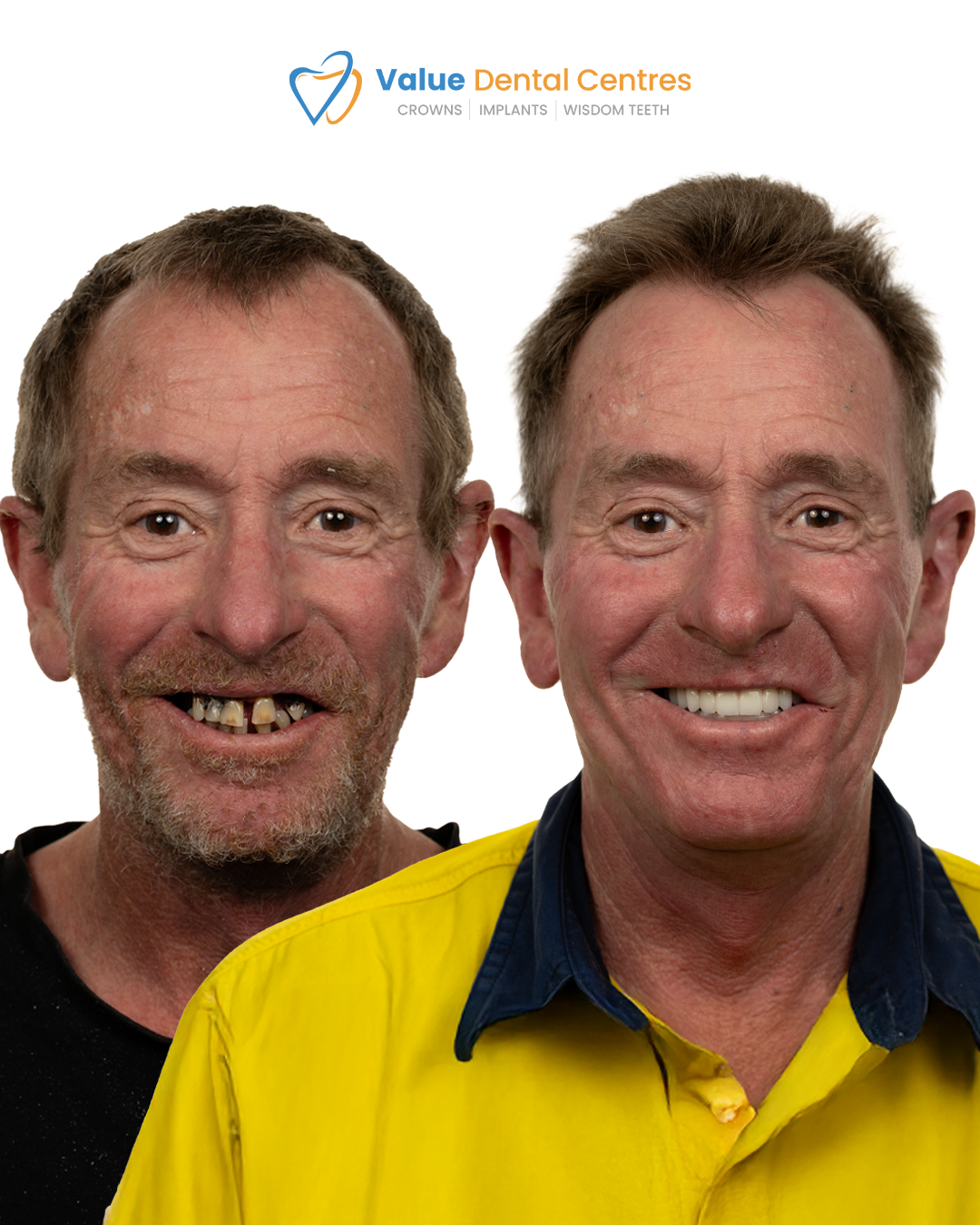
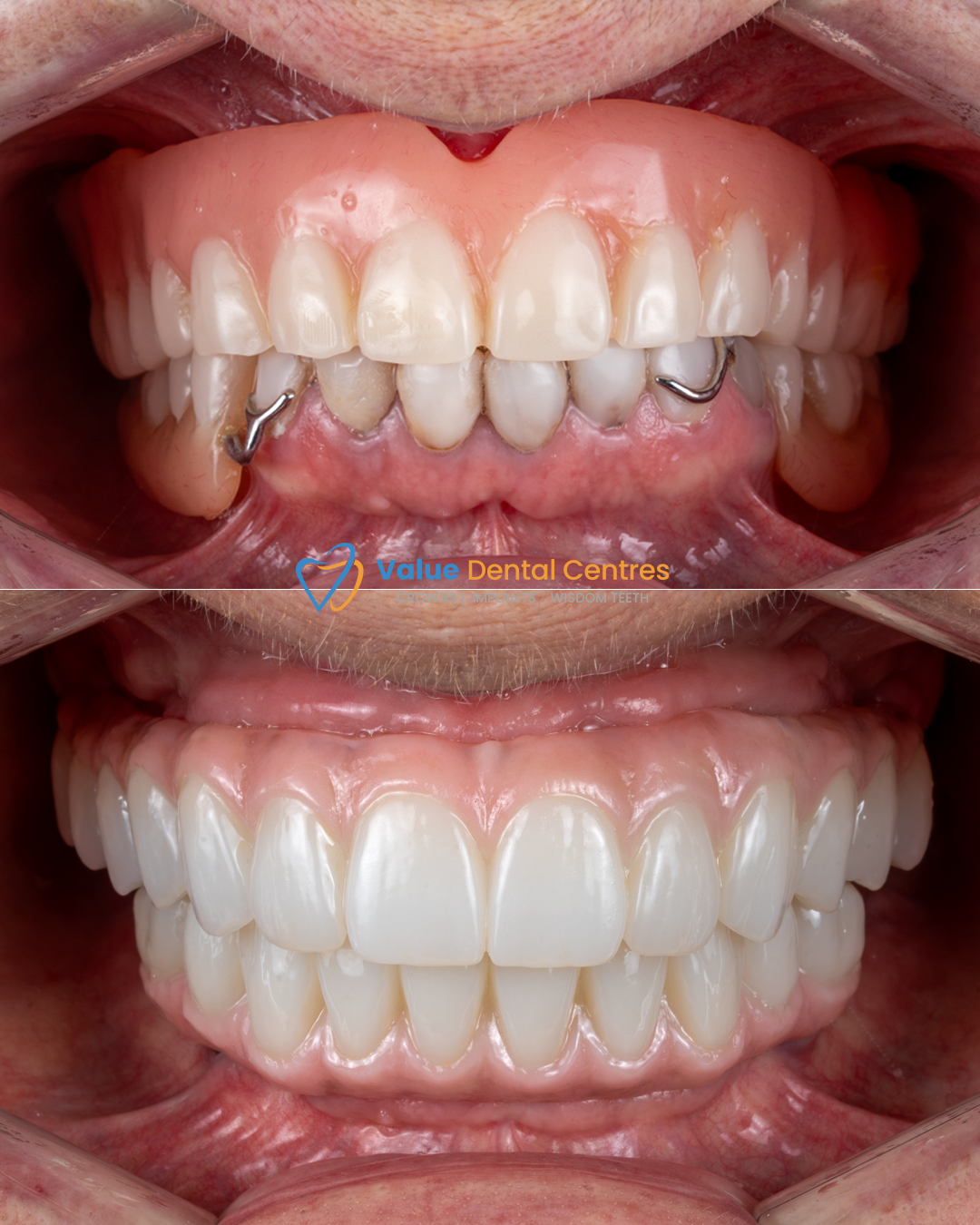
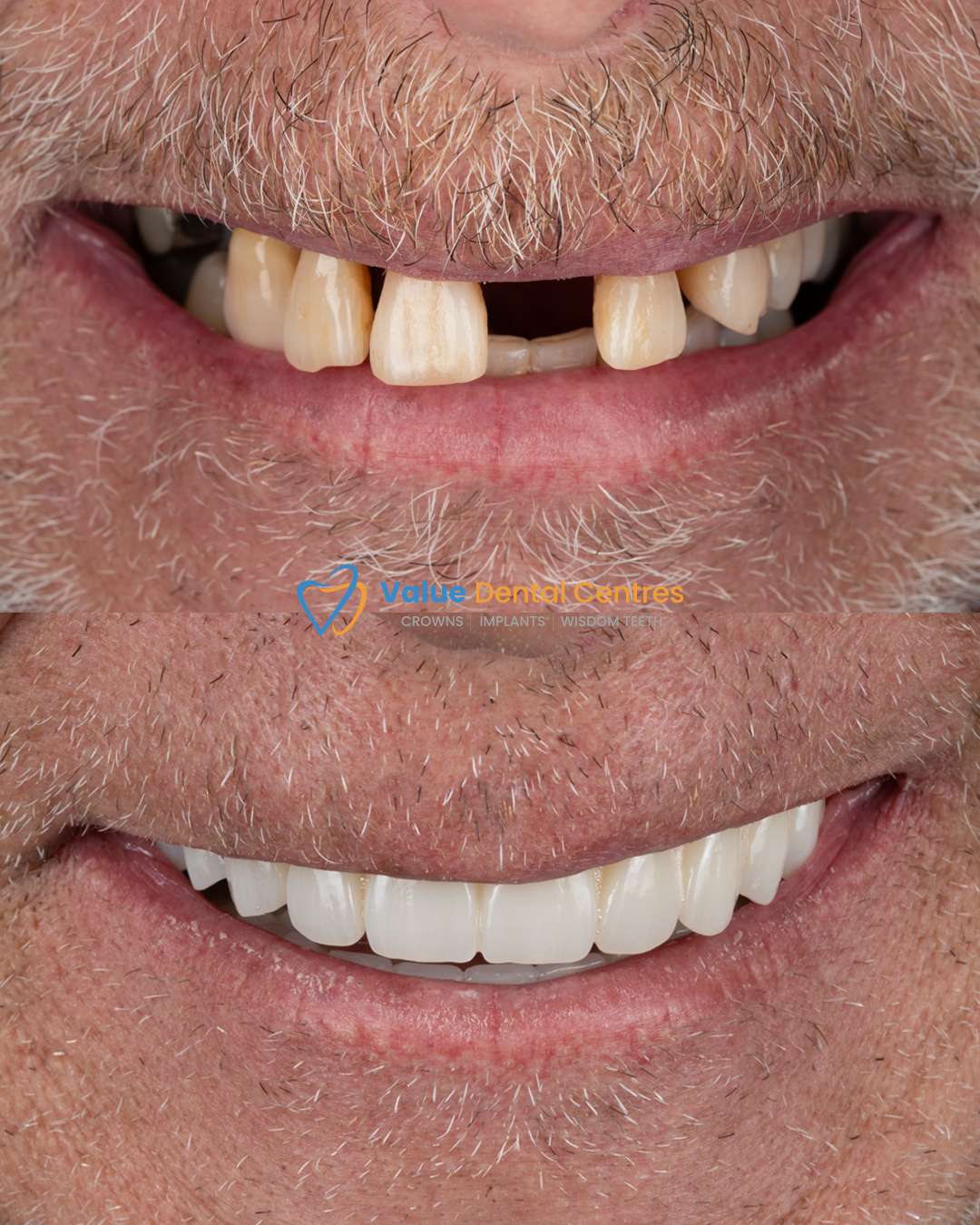
Missing Teeth
Uncomfortable Dentures
Loose, Broken, or Failing Teeth
Assessment and Treatment Planning
Before any treatment proceeds, a thorough assessment is required. This typically includes:
- Clinical examination
- Review of medical and dental history
- OPG X-ray and CBCT scan
- Discussion of treatment options
3D CBCT scans are commonly used in implant dentistry to assess bone volume and proximity to anatomical structures such as nerves and sinuses. We then use this scan for planning the placement of the implants and how many are required.


The Surgical Procedure
Treatment is performed in a sterile, clinical environment at Value Dental Centres under local anaesthetic.
The procedure generally involves:
- Numbing the area
- Removing any remaining teeth, if needed
- Using a surgical guide for accuracy
- Placing dental implants into the jawbone, typically 4 to 6 implants
- Attaching your temporary teeth
The procedure can take several hours. Comfort measures are provided, and many patients choose to watch shows or listen to music during the appointment.
Our implants are TGA-approved and German-manufactured with many decades of use.
Temporary Bridge and Healing Phase
A temporary acrylic bridge is commonly fitted on the same day or with 48 hours after surgery. This allows patients to:
- Maintain function during healing
- Test and assess your bite
- Smile and speak naturally
- Provide feedback before the final bridge is made
Some swelling and discomfort are expected in the first few days following surgery. This can usually be managed with pain relief and standard post-operative care.
Patients are advised to follow a soft diet initially and attend scheduled review appointments so healing can be closely monitored.
Over approximately 4 to 8 months, the implants are reviewed to ensure they are integrating with the bone. Once healing is confirmed, the final zirconia bridge is fitted.
Risks of Overseas Dental Implant Treatments
Some patients consider overseas dental treatment for cost reasons. However, All-On-X implants are a complex, multi-step procedure requiring ongoing monitoring and adjustments. Being treated close to home ensures continuity of care and allows timely management of any complications.
According to the Australian Dental Association Fee Survey 2024, a single arch of dental implants can cost above $31,000. At Value Dental Centres, we offer a fixed zirconia bridge on 4 implants from $14,999. Our lower pricing is made possible by focusing exclusively on implants, crowns, and wisdom teeth, allowing our dentists to gain extensive experience and deliver complex treatments efficiently.
Smoking and Dental Implants
Most clinicians strongly encourage patients to stop or heavily reduce smoking before undergoing dental implant treatment. Smoking can negatively affect healing by:
- Reducing blood flow to the gums and bone
- Slowing tissue healing
- Increasing the risk of infection
- Increasing the likelihood of implant failure
Patients who smoke are generally at higher risk of complications following implant surgery. Your dentist will discuss these risks with you and may recommend stopping smoking before proceeding with treatment.

Understanding Risks of All-On-X Dental Implants
As with any surgical procedure, All-On-X dental implants carry potential risks. While many treatments proceed without complications, it is important to be informed.
Possible issues include:
- Implant failure: Occurs when an implant does not integrate properly with the jawbone (osseointegration).
- Infection (peri-implantitis): Infection around the implant can cause inflammation and bone loss.
- Gum recession: Can result from smoking, poor oral hygiene, teeth grinding, gum disease, or implant positioning.
- Bite or occlusion issues: Misaligned bite may cause discomfort when chewing, jaw muscle fatigue, or joint issues.
- Nerve disturbance: Rare, but may cause altered sensation, tingling, or numbness.
- Sinus-related complications: Upper jaw implants are close to sinus cavities and may need sinus lifts or bone grafting before implants.
How Patients Can Help Reduce Risks
Patients play an important role in the long-term success of dental implants. Ways to reduce the likelihood of complications include:
- Avoiding or quitting smoking
- Disclosing all relevant medical history and medications
- Following post-operative care instructions carefully
- Maintaining excellent oral hygiene
- Attending regular dental reviews and cleans
- Reporting any signs of infection or discomfort early
- Choosing a dentist experienced in implant dentistry
At Value Dental Centres, our dentists focus on implants, crowns, and wisdom teeth. This focused approach allows our clinicians to gain extensive experience with more complex dental procedures, helping to improve planning, accuracy, and outcomes.
It is important to remember: risks, treatment times, and results will vary for each individual patient. Before starting any dental treatment, you should discuss your individual circumstances with a qualified practitioner. Where appropriate, seeking a second opinion can help ensure the most informed decision.
How to Start Your All-On-X Treatment Journey
All-On-X dental implants can provide a stable, long-term solution for patients missing most or all teeth. While each patient’s situation is unique, careful planning, care, and diligent follow-up are key to successful outcomes.
If you would like to explore whether All-On-X is suitable for you, book a free consultation with our clinical team to discuss your options.
